

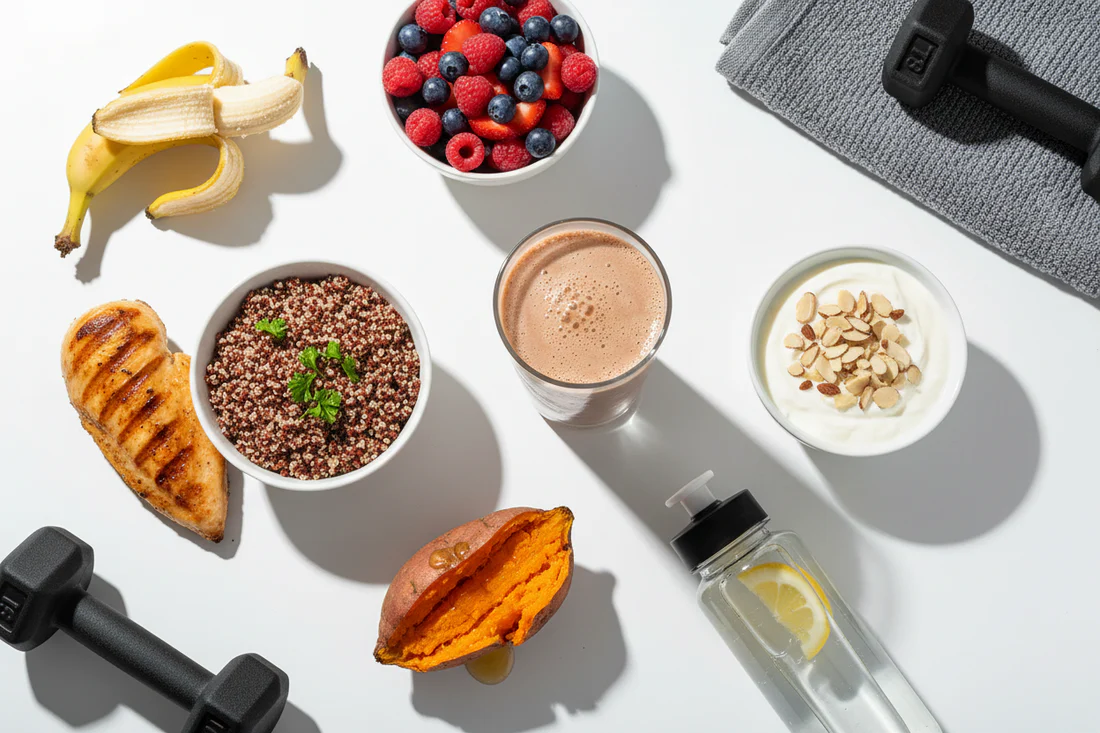
Post-workout nutrition is a critical component of any fitness plan. While exercise challenges your muscles and boosts endurance, what you eat afterward can make the difference between optimal recovery and prolonged soreness. Whether you’re hitting the gym, doing a high-intensity workout, or enjoying a yoga session, fueling your body correctly helps repair tissues, replenish energy, and maximize performance for your next session.
Why Post-Workout Nutrition Matters
After exercise, your body experiences physical stress, depleting glycogen stores, breaking down muscle fibers, and increasing the need for hydration and nutrients. Proper post-workout nutrition:
- Restores glycogen: Carbohydrates replenish energy in muscles.
- Supports muscle repair and growth: Proteins provide amino acids necessary for muscle recovery.
- Reduces muscle soreness: Anti-inflammatory nutrients help manage exercise-induced inflammation.
- Rehydrates your body: Water and electrolytes are essential to replace fluids lost through sweat.
Neglecting these nutrients can lead to fatigue, slower recovery, and diminished progress.
Key Nutrients for Recovery
1. Protein – The Muscle Builder
Protein is essential for repairing muscle tissue and promoting growth. Without enough protein after a workout, your body struggles to rebuild, potentially leading to muscle loss or slower strength gains.
Best sources:
- Lean meats (chicken, turkey, fish)
- Eggs and egg whites
- Greek yogurt and cottage cheese
- Plant-based options: lentils, chickpeas, tofu, tempeh, edamame
Tip: Aim for 20–30 grams of protein within 30–60 minutes after your workout for optimal recovery.
2. Carbohydrates – The Energy Replenisher
Carbohydrates are your body’s main energy source. Post-workout, your glycogen stores are depleted, and consuming carbs helps restore energy and supports muscle recovery.
Best sources:
- Whole grains: brown rice, oats, quinoa
- Fruits: bananas, berries, apples
- Starchy vegetables: sweet potatoes, pumpkin, squash
Tip: Pair carbs with protein in a 3:1 or 4:1 ratio for balanced recovery.
3. Fats – Essential for Repair
Healthy fats play a role in reducing inflammation and supporting hormone production, which is vital for recovery. While fat shouldn’t dominate your post-workout meal, including a small amount can be beneficial.
Best sources:
- Avocados
- Nuts and seeds
- Olive oil and coconut oil
- Fatty fish like salmon
Tip: Avoid heavy fried foods post-workout, as they can slow digestion and delay nutrient absorption.
4. Hydration – Replace What You Lose
Water is essential for every cellular function, and after sweating, replenishing fluids is critical. Electrolytes like sodium, potassium, and magnesium help maintain fluid balance, prevent cramps, and support muscle function.
Tips for hydration:
- Drink water immediately after your workout.
- Include electrolyte-rich beverages for intense or long-duration exercise.
- Coconut water is a natural option for light electrolyte replenishment.
Sample Post-Workout Meals
Here are some practical meal ideas to fuel your recovery:
- Grilled chicken with quinoa and roasted vegetables – balanced protein, carbs, and healthy fats.
- Protein smoothie with banana, spinach, almond butter, and protein powder – quick, digestible, and nutrient-dense.
- Greek yogurt with berries and chia seeds – high protein with antioxidants and omega-3 fats.
- Salmon with sweet potato and steamed broccoli – anti-inflammatory meal with complete nutrients.
Supplements to Consider
While whole foods should be your primary source of nutrients, certain supplements can support recovery:
- Whey or plant-based protein powder – convenient way to hit protein goals.
- Branched-Chain Amino Acids (BCAAs) – may reduce muscle soreness.
- Creatine – supports muscle repair and strength gains.
- Omega-3 fatty acids – anti-inflammatory benefits for joints and muscles.
Always consult a healthcare professional before adding supplements to your routine.
Timing Matters
- Immediate window (30–60 minutes post-workout): Focus on protein and carbs for quick absorption.
- Within 2 hours: Consume a complete meal with balanced macronutrients and micronutrients.
Prioritizing the timing of meals can significantly enhance recovery and improve performance in subsequent workouts.
Final Tips for Faster Recovery
- Listen to your body: Recovery needs vary based on intensity, duration, and fitness level.
- Avoid skipping meals: Proper nutrition is essential to fuel repair and growth.
- Incorporate anti-inflammatory foods: Berries, turmeric, and leafy greens help reduce soreness.
- Get enough sleep: Nutrition works best alongside sufficient rest.